
Links to B&H and other dealers in a story may earn T-Stop a commission at no cost to the reader.
Why mobile creators should consider a portable SSD as phones shoulder more polished video work
As phone filming shifts toward finished promo videos, internal storage and speed are common limits — a quality portable SSD can help keep workflows moving.
Key points
- Mobile filmmaking has evolved beyond short behind-the-scenes clips.
- Creators regularly use phones to shoot polished promotional videos.
- Internal storage and write speed are common bottlenecks, so a quality portable SSD can help.
Smartphones are no longer just for quick, throwaway footage. "Phone-based content creation has moved well past quick behind-the-scenes clips." That shift means many creators now approach phone shoots with the same expectations they once reserved for larger cameras: cleaner edits, tighter framing and finished clips that can be published without heavy desktop revision.
As that workflow matures, the demands placed on a phone change. Internal space fills faster when projects require longer takes, higher-quality codecs or multiple versions of the same clip, and the sustained write speeds that mobile hardware delivers can become a limiting factor during capture and transfer. The facts point to two persistent pinch points in these phone-first workflows: on-device storage capacity and data speed.
Addressing those bottlenecks can be as simple as altering where and how you move files. Offloading recordings to a fast, external drive while working on set or immediately after a shoot reduces reliance on a phone's built-in storage and can cut the friction around swapping cards or juggling multiple takes. For that reason, many creators now view a robust external storage option as part of their mobile kit rather than an optional accessory.
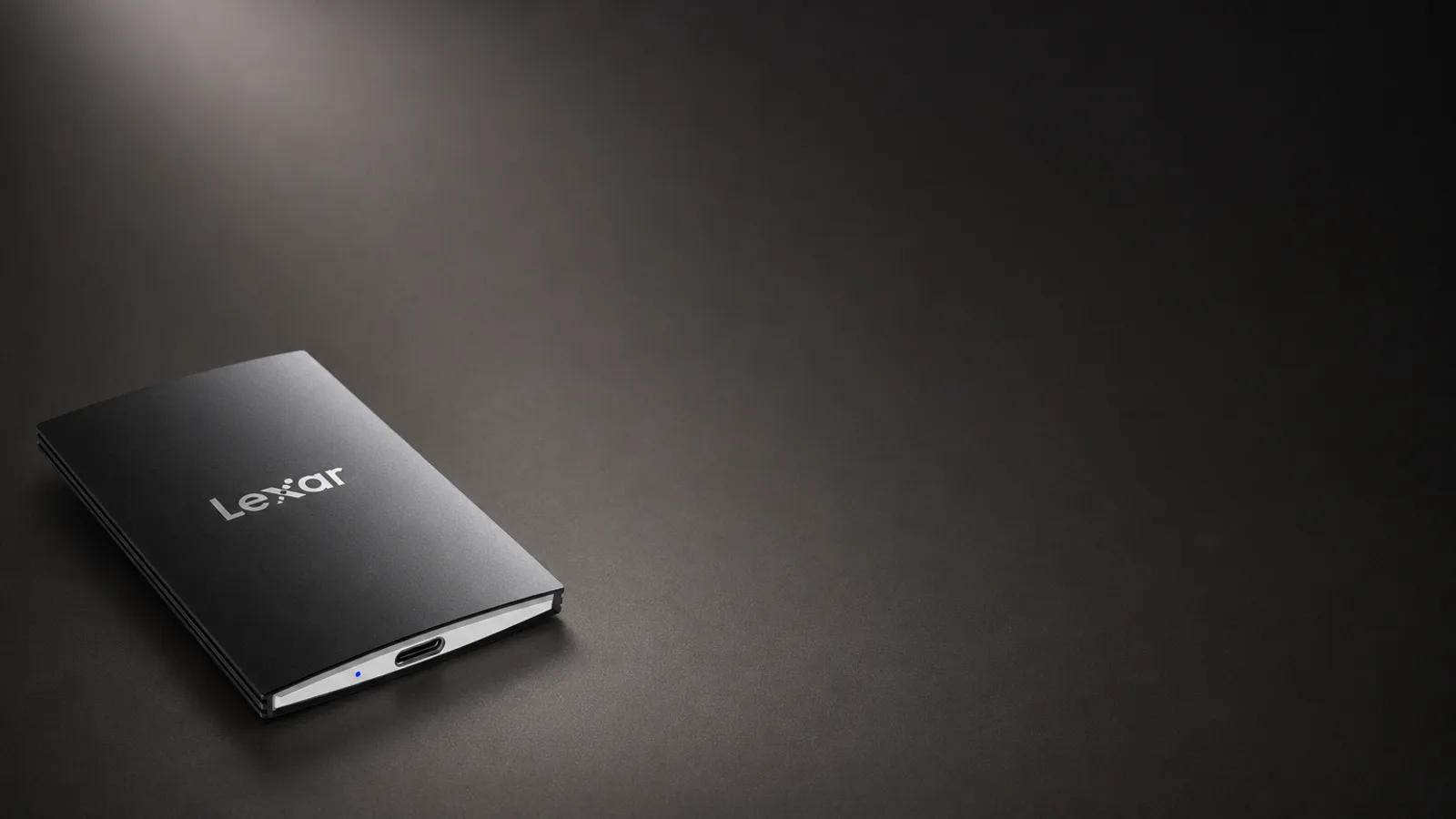
If you want a short recommendation from the evidence: "A high-quality portable SSD is worth investing in to help your phone keep up with demands." A well-chosen SSD eases two of the most common constraints at once: it provides additional capacity for long or frequent shoots and it offers faster transfer speeds than many phone-to-computer workflows deliver by default.
That does not mean every creator needs the same drive. Factors such as connector compatibility, physical ruggedness and the data rates your camera app uses will influence the right pick for an individual. But the central point from the reporting is clear: as smartphones take on heavier, more professional video workloads, storage and speed are the first problems most teams encounter, and portable solid-state storage is a practical solution to mitigate those constraints.
For photographers and short-form videographers who are building a phone-first workflow, treating external SSDs as part of the essential kit will help keep shoots moving and reduce time spent juggling files after the fact. The industry trend shows mobile capture continuing to push into higher-quality territory, and storage strategy is now a core part of that evolution rather than a peripheral concern.
FAQ
- Why are phones struggling with more ambitious video work?
- Internal storage and speed are usually the first barriers to capturing and managing higher-quality phone footage.
- What simple upgrade can help a phone handle heavier video workloads?
- A high-quality portable SSD is worth investing in to help your phone keep up with demands.
Using or buying gear in the GCC? Read our GCC guide