
Links to B&H and other dealers in a story may earn T-Stop a commission at no cost to the reader.
Pixboom Spark debuts in public at free Vienna tennis super‑slow‑motion shoot
Pixboom’s production Spark camera was used in public for the first time at a free Vienna tennis event, capturing players in super slow motion at up to 1,000 frames per second.
Key points
- Pixboom’s production Spark was run in public for the first time at a Vienna tennis slow‑motion shoot.
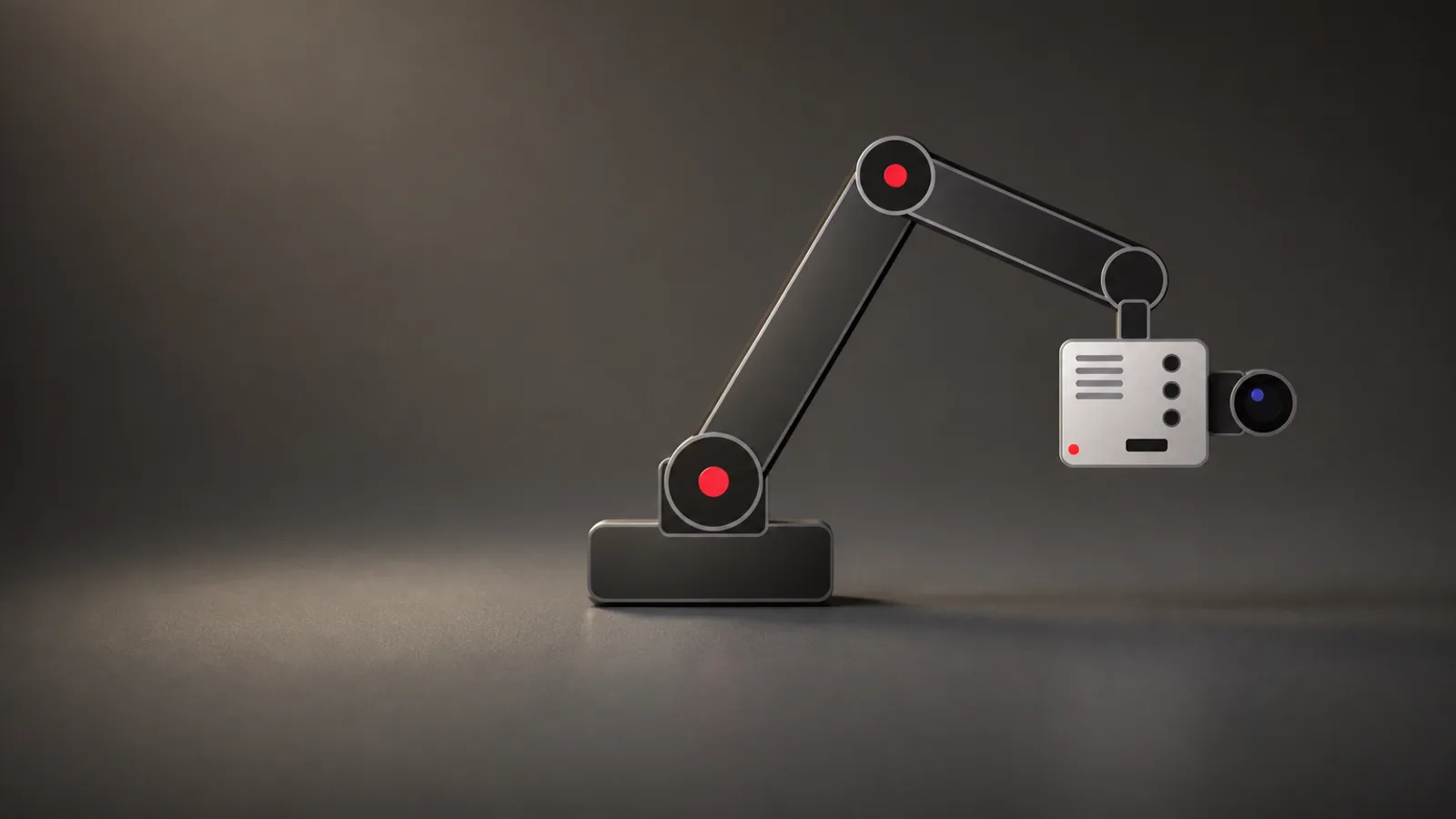
- A Bolt Jr motion‑control robot carried the Spark and recorded action at up to 1,000 frames per second.
- Visitors could play on the court from 1 to 5pm on Friday and later download their clip after processing.
Pixboom brought the production version of its Spark high‑speed camera out of the lab and onto a tennis court in Vienna for a public shoot, marking its first live audience outing. The event let passersby step into a set and be filmed in dramatic super slow motion, with the Spark capturing motion at rates the company lists as up to 1,000 frames per second.
The afternoon session was organised as a walk‑in experience: anyone who turned up could take a swing and be recorded by the camera system. The on‑court rig combined a Bolt Jr motion control robot carrying the Pixboom Spark with support kit supplied by the production partner. MXR Productions converted the Wiener Athletiksport Club court into a short‑term set, adding a camera crane, dedicated lighting and an ARRI ALEXA 35 to document behind‑the‑scenes coverage.
CineD and MZed are collaborating with Pixboom to produce a free course on high‑speed filmmaking, and the Vienna shoot doubled as the practical lesson focused on sports and motion control. The organisers said the instructional material will be released freely during 2027.
Participants were able to run through the procedure in a single visit. After a take is recorded you receive a QR code and the team handles the clip processing; once that is finished visitors download their super slow‑motion files and share them as they wish. The workflow was designed to be simple and immediate, with on‑set motion control operated from the Bolt Jr and post‑production handled by the event crew.
Technically, the Spark captures extremely brief moments and stretches them into seconds of visible motion. The organisers described the effect as letting viewers watch what normally happens in a blink: in slow motion you can see things such as "the ball compressing on the strings" during impact. That stretching of a tiny instant into several seconds is what high‑speed filming is for, and the Pixboom platform is built to deliver that kind of playback.
Pixboom had tested an earlier beta unit earlier this year, but the Vienna session was the first time the company said it had "put the production version to work in front of an audience." The developers spoke positively about the finished camera, quoting industry partners who called it, in their words, "The Pixboom Spark is a remarkably capable high speed camera." The public shoot was therefore both a demonstration for interested players and a live test of the production hardware and workflow.
The event specifics were straightforward: it took place on Friday, October 23, from 1 to 5pm at Wiener Athletiksport Club (WAC), Rustenschacherallee 9, 1020 Vienna, a short walk from the Prater Hauptallee. Entry was free and the team told visitors there was no prior registration required — just turn up during the allocated afternoon hours and take part.
Beyond the playable demo, the day offered a compact lesson in integrating motion control and high‑speed capture for sports coverage. The Bolt Jr provided repeatable, precise camera moves while the Spark recorded the high frame‑rate material; meanwhile the ALEXA 35 documented the crew and process for the course content. That behind‑the‑scenes footage will form part of the free educational package from CineD and MZed.
For filmmakers and sports shooters curious about timing and post workflows, the event highlighted a simple, user‑facing route: record on location, hand participants a code and manage the processing centrally so people can collect their finished clips later. The organisers emphasised the same point the attendee experience underscored — a short on‑court session can yield striking, shareable slow‑motion material without complicated setup for the participant.
Pixboom’s public test in Vienna closes the loop on a development cycle that included earlier beta trials and now a production rollout in front of live subjects. The free instructional series from CineD and MZed will expand on the practical techniques shown at the shoot and is scheduled to appear during 2027, giving anyone who wants to learn a structured path from concept to finished high‑speed footage.
The Vienna shoot was therefore part demo, part lesson and part product unveiling: a production Spark unit in action on a sports set, run from a motion‑control rig and paired with a behind‑the‑scenes ALEXA to document the day. For those who attended it offered an immediate, hands‑on way to experience super slow motion and to take home a personal clip produced by the event team.
Specs
| Frame rate | up to 1,000 frames per second |
|---|
FAQ
- When and where did the event take place?
- Friday, October 23, from 1 to 5pm at Wiener Athletiksport Club (WAC), Rustenschacherallee 9, 1020 Vienna.
- Do I need to register to take part?
- Entry is free and no registration is needed, just come by during the afternoon.
- How fast does the Pixboom Spark record for the slow‑motion clips?
- The Spark records the moment at roughly 1,000 frames per second, stretching split seconds of impact into several seconds of footage.
Using or buying gear in the GCC? Read our GCC guide