
Links to B&H and other dealers in a story may earn T-Stop a commission at no cost to the reader. As an Amazon Associate, T-Stop earns from qualifying purchases.
How Snyder’s shoot mixed RED Monstro bodies, 1960s Canon glass and low‑ISO Alexa 35 work
Cinematographer details camera choices: Alexa 35 held at ISO 160/200, custom RED Monstro rigs with rehoused 1960s Canon lenses, and practical tube lighting.
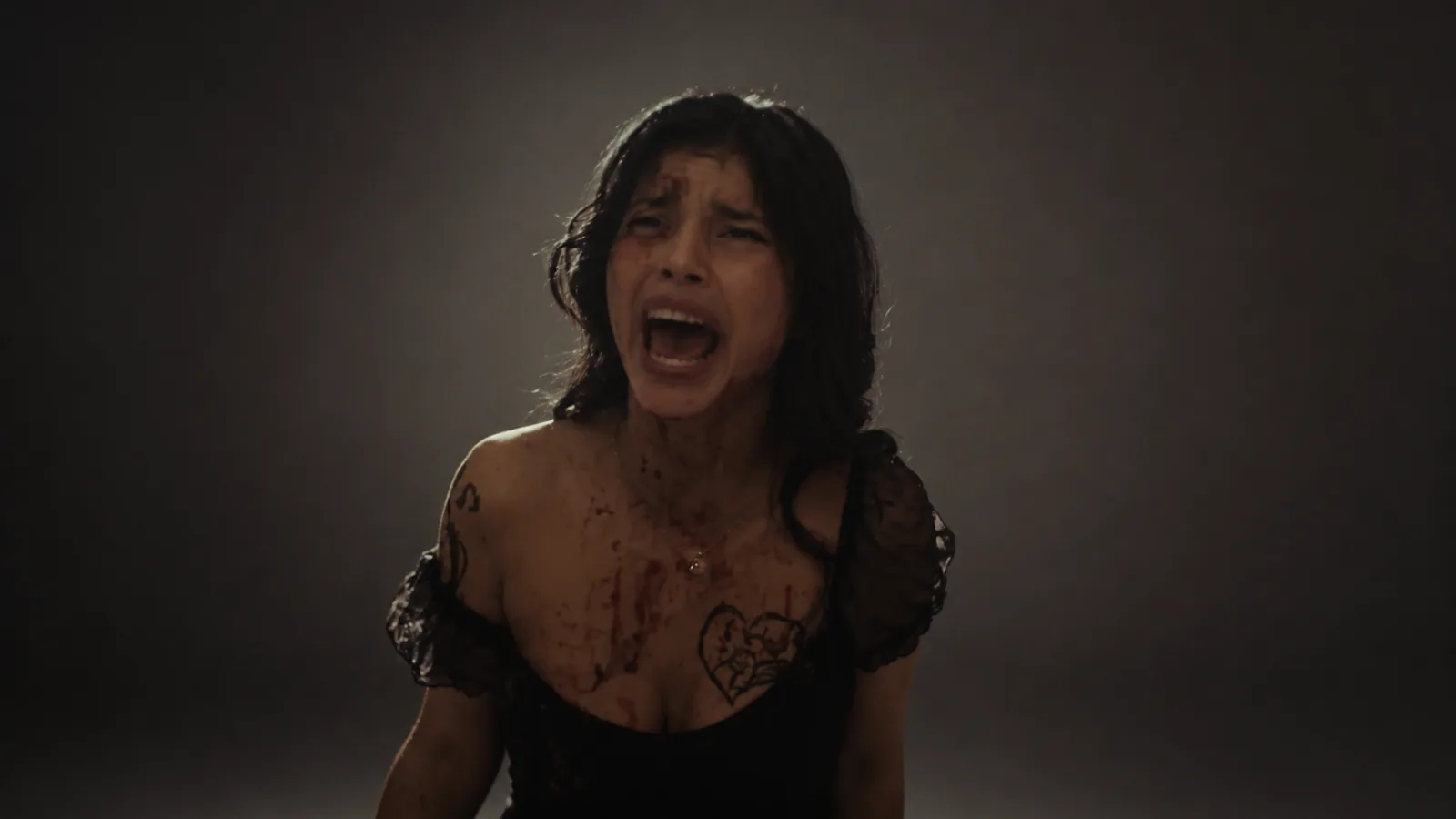
Key points
- He kept the Alexa 35 at a low ISO of 160 or 200 for the whole shoot to capture maximum sensor information.
- Snyder’s team used custom RED Monstro cameras fitted with 1960s Canon rangefinder lenses rehoused by Zero Optik.
- A row of Astera Titan Tubes under the porch roof provided the glow that rendered the actress as a silhouette.
Cinematographer John (credited in an essay for American Cinematographer) lays out a practical, texture-first approach to the shoot: he deliberately ran the Alexa 35 at a very low sensitivity so the sensor would gather as much information as possible. In his account he says he kept the camera’s ISO down for the entire production, a choice aimed at preserving detail rather than boosting gain.
"It gives a feeling to the image that’s hard to describe," he writes, summing up why the lower ISO and richer raw capture appealed for the material. That conservative exposure strategy, however, made many of the night exterior setups more challenging, so the crew reached for lenses with very large apertures when they needed more light.
To supply those fast optics they used Panavision’s Ultra Speed lenses for the darker exteriors. At the same time, the film also employed a second camera approach: custom RED Monstro bodies were paired with 1960s Canon rangefinder glass that had been rehoused by Zero Optik. The vintage Canon optics were chosen and modified for their particular look, and the rehousing let the lenses be used on modern cinema cameras.
In a conversation on Netflix’s Snyder School episode he explains that this mixture of formats and glass helped drive his decision to take on the DP duties personally. Shooting with that combination allowed him to shape the image in a hands‑on way that matched his intentions for the project.
Opening the lenses wide was an intentional aesthetic choice as well as a practical one: working at wide apertures let the team keep shooting as the available light dropped. The out‑of‑focus layers and soft falloff were part of the visual plan. As PetaPixel noted when comparing looks, another recent film that leaned on consistently wide apertures created a similarly soft and unsettling background blur, a texture the crew wanted to exploit here.
"There’s a fuzzy, dream-like quality to the shadows in the camera reminiscent of a lo-fi PS1 video game." That line appears in the production notes and captures the intended mood: shadow shapes that feel slightly degraded and uncanny rather than clinical.
Lighting was often minimal and practical on set. A row of Astera Titan Tubes tucked under the porch roof produced the specific glow that turned the actress into a silhouette in a key scene. For the absolute darkest frames the team concluded they needed a tiny light mounted directly on the camera to give actors a subtle edge and maintain sightlines.
Clemons told ShotDeck the camera-mounted fixture became necessary in the deepest night shots, a pragmatic fix during production when even the fastest lenses and tube fixtures couldn’t supply all the required illumination.
After principal photography, VFX work was used to refine small eye highlights. VFX artist Peter Timberlake added and enhanced a glint in the lead character Nikki’s eyes to sell emotion and presence in shots where the practical light was intentionally minimal.
The cinematographer also describes simple, on-set tactics for shaping exposure and actor placement. "A lot of the movie, the actors lit with flashlights, and I'd wear a white shirt," he recalls, a hands-on note about how they used small practical sources and wardrobe choices to control spill and motivation.
Taken together, the choices—low ISO on the Alexa 35, the use of Panavision Ultra Speed lenses for very dark exteriors, RED Monstro bodies with rehoused 1960s Canon rangefinder glass, Astera Titan Tube practicals, a camera-mounted light in the deepest blacks, and targeted VFX—were all employed to produce a soft, dreamlike, and tactile night palette that the production team deliberately chased.
The production’s balance of modern sensors and rehoused vintage optics, plus practical illumination and modest VFX touchups, shows a willingness to mix tools to achieve a specific, memory‑like image rather than pursue pure technical cleanliness.
Specs
| Alexa 35 ISO | 160 or 200 |
|---|---|
| Rehoused lenses era | 1960s |
Where to buy
RED MonstroFAQ
- Which camera did they keep at a low ISO for the whole shoot?
- According to his essay in American Cinematographer, he kept the Alexa 35 at a low ISO of 160 or 200 for the whole shoot.
- What lenses were rehoused and used on RED Monstro cameras?
- He used custom RED Monstro cameras with 1960s Canon rangefinder lenses rehoused by Zero Optik.
- How did they light the silhouette porch shot and the darkest scenes?
- A row of Astera Titan Tubes under the porch roof created the glow that turned her into a silhouette, and in the darkest scenes the team used a light mounted on the camera.
Using or buying gear in the GCC? Read our GCC guide